

How to Choose the Right Folding Carton for Your Product, Part 1: Start With Strategy

The right folding carton balances six essential factors: product protection, customer expectations, accurate sizing, material performance, brand presentation, and sustainability goals. Starting with these decisions helps you create packaging that works throughout its entire journey—from production and storage to the retail shelf and the customer’s hands.
Packaging decisions are often made one detail at a time: a box style, a color, a finish, or a material. But the best results come from looking at the complete picture first. Before choosing a structure or requesting a quote, define what your packaging must accomplish and who it needs to serve.
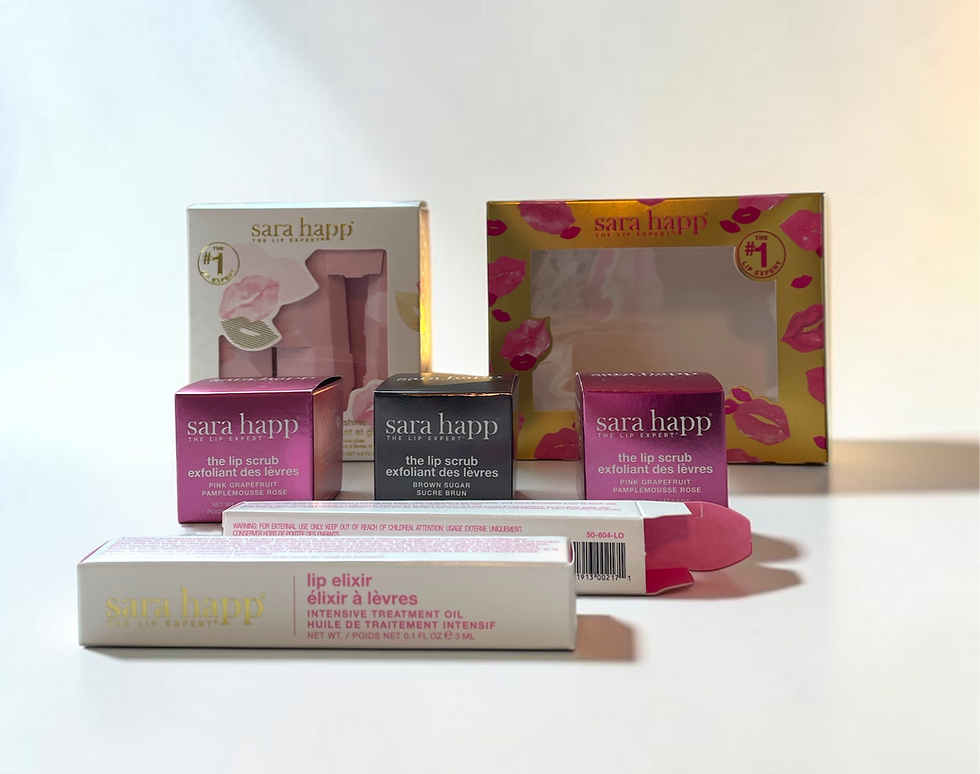
1. Define what your box needs to accomplish
Every packaging project should begin with purpose. A folding carton may need to perform several jobs at once, but identifying the priorities early makes later decisions much easier.
Protection: The carton should help safeguard the product during handling, storage, transportation, and display. The product’s weight, fragility, shape, and sensitivity to light or moisture may all affect the structure and material choice.
Shelf impact: In a retail environment, packaging has only a short time to earn attention. Shape, color, graphics, finishes, and product visibility can help a package stand out while still communicating clearly.
Unboxing experience: Opening the package is part of the product experience. A carton that feels intuitive, considered, and consistent with the brand can create a stronger impression long after the purchase.
A box designed primarily for retail display may require different priorities than one intended for e-commerce fulfillment or an inner carton packed inside a larger shipping case. Clarifying the full path of the product helps prevent a beautiful package from becoming difficult to pack, ship, stock, or open.
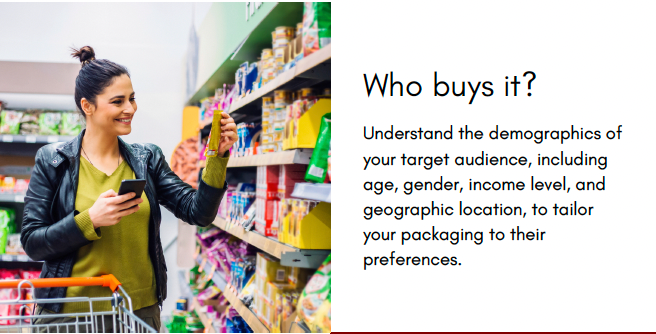
2. Understand who will buy and use the product
Successful packaging design begins with a clear understanding of the target customer. Demographics can be useful, but they are only the starting point. Consider how customers shop, what information they look for, what influences their decisions, and what they expect from the brands they choose.
Ask questions such as:
Where will the customer encounter the product—on a retail shelf, online, through a subscription, or in a professional setting?
What matters most to this buyer: convenience, premium presentation, value, sustainability, product visibility, or ease of use?
Which claims, instructions, or product details must be easy to find?
What visual style will feel credible and recognizable to this audience?
The goal is not simply to make the package attractive. It is to make it relevant. Packaging that reflects the customer’s priorities can communicate value more quickly and reinforce brand loyalty over time.
3. Get the measurements, fit, and usability right
Accurate dimensions are fundamental to folding-carton design. A box that is too large can waste material, increase movement inside the package, and create inefficiencies in packing and shipping. A box that is too tight can damage the product or make assembly and use unnecessarily difficult.
The design process should account for more than the product’s outer measurements. Your packaging partner may also need to understand:
How the product will be oriented inside the carton
Whether inserts, partitions, windows, or internal supports are needed
How the carton will be filled, closed, sealed, and opened
Whether packing will be completed by hand or on automated equipment
How finished cartons will be bundled, cased, palletized, and stored
A well-sized carton can reduce unnecessary material while improving protection, presentation, assembly, and the overall user experience.

4. How to Choose the Right Folding Carton: Select materials based on performance—not appearance alone
Paperboard selection affects the strength, print quality, feel, and sustainability profile of a folding carton. The best choice depends on the product, box structure, distribution environment, graphics, finishing requirements, and production process.
Instead of choosing material from a sample based only on color or thickness, discuss the demands the finished package will face. Will it carry a heavier item? Does it need a clean surface for high-quality graphics? Will it be exposed to cold, humidity, or frequent handling? Does the carton need a window, embossing, foil, or another specialty effect?
Your packaging producer can help evaluate the tradeoffs and recommend paperboard that provides the necessary performance without using more material than the project requires.
So it is truly important to think about how to choose the right Folding Carton!
5. Use the carton to communicate your brand
A folding carton is both a physical container and a communication tool. Its colors, typography, layout, imagery, and finishes should work together to express the brand’s personality and make key information easy to understand.
Printing and finishing choices can also change how a package is perceived. Depending on the project, options such as gloss or matte coatings, UV effects, foil, embossing, debossing, or raised details may help emphasize important elements and create a more distinctive tactile experience.
The strongest packaging does not use every available effect. It uses the right effects intentionally—supporting the product position, guiding the eye, and creating a cohesive experience across the entire package.

6. Make sustainability decisions that fit the full package
Sustainability is not one isolated material choice. It can include right-sizing the carton, reducing unnecessary components, selecting appropriate paperboard, designing for recyclability, and minimizing waste during production and fulfillment.
If sustainability is important to your brand or customers, establish those goals early. Ask what materials are available, how coatings, windows, adhesives, and decorative elements may affect the finished package, and what environmental claims can be supported accurately.
A thoughtful approach can help align packaging with your environmental commitments while preserving the protection, usability, and visual impact the product still needs.
A practical pre-design checklist
Before moving into structure and production, be ready to share:
The product’s exact dimensions, weight, shape, and handling sensitivities
Where and how the product will be sold
How it will be packed, shipped, stored, displayed, and opened
Your target customer and the messages that matter most
Required graphics, instructions, claims, barcodes, or regulatory information
Brand, print, finishing, and sustainability goals
Estimated quantities, launch date, and anticipated reorder needs
The best packaging starts with the right questions
Choosing a folding carton is easier when purpose, audience, fit, materials, brand, and sustainability are considered together. These decisions create the foundation for selecting a box style and planning efficient production.
In Part 2, we look at common folding-carton styles, shipping and warehouse considerations, production scheduling, and what to look for in a packaging partner.
International PaperBox can help you turn product requirements and brand goals into a folding-carton solution designed for real-world production.
Contact our team to discuss your product and packaging needs.
Frequently Asked Questions on How to Choose the Right Folding Carton
What is a folding carton?
A folding carton is a paperboard package that is printed, cut, creased, folded, and typically glued into a box structure. Folding cartons are widely used for retail and consumer products because they can combine protection, efficient production, and high-quality graphics.
How do I determine the right size for a product box?
Start with exact product dimensions, weight, orientation, and any needed inserts or protective space. Also consider how the carton will be filled, closed, shipped, stored, and displayed. A packaging producer can translate those requirements into a dieline and structural sample.
What material is best for a folding carton?
The best paperboard depends on the product’s weight and sensitivity, the box structure, the printing and finishing plan, the distribution environment, and sustainability priorities. Material should be selected for the complete application rather than thickness or appearance alone.
Can sustainable packaging still look premium?
Yes. Responsible material use, right-sized structures, strong graphic design, and carefully chosen finishes can create a polished package. The key is evaluating the full construction so that visual impact and sustainability goals support each other.
When should I involve a folding-carton manufacturer?
Ideally, involve the manufacturer early—before the design is finalized. Early collaboration can identify structural, material, print, finishing, and production considerations before they become expensive changes.


Comments